When it comes to indulging in a premium steakhouse experience, LongHorn Steakhouse stands out as a top choice for meat lovers across America. Famous for its bold flavors, expertly grilled cuts, and welcoming atmosphere, the chain has earned a loyal following.
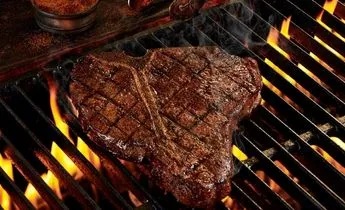
At the heart of its menu is the LongHorn® Porterhouse, a massive 22 oz bone-in steak that combines the rich, juicy New York strip with the tender filet mignon. This iconic dish isn’t just about size—it’s a testament to quality grilling and Southern-inspired seasoning.
LongHorn® Porterhouse Price
Pricing is a key factor for any diner, and the LongHorn Porterhouse delivers excellent value for its premium quality. As of the current menu, this steak is priced at $37.99. This cost includes your choice of one hand-chopped salad and one side, making it a complete meal right out of the gate.
What sets LongHorn Steakhouse apart is the flexibility in upgrades. For an extra fee, you can elevate your experience with premium add-ons:
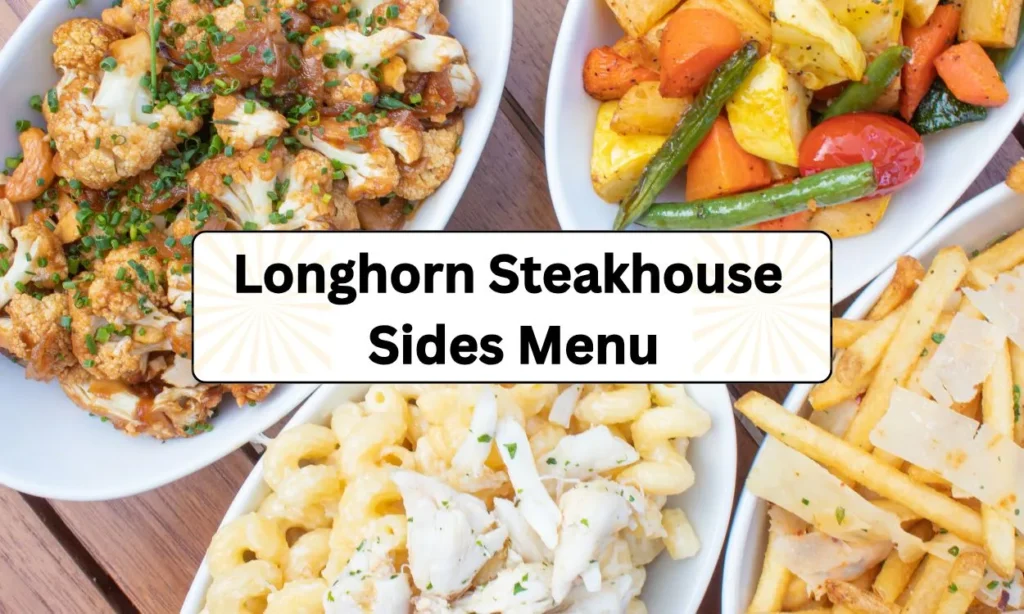
- Steakhouse Mac & Cheese – $3.99
- Crispy Brussels Sprouts – $3.99
- Fresh Steamed Asparagus – $3.99
- Strawberry Salad – $3.99
- Bowl of Shrimp Lobster Chowder, Loaded Potato Soup, or French Onion Soup – $2.99
Prices may vary slightly by location due to regional differences, taxes, or promotions. Always check the official LongHorn app or website for the most accurate figures. Compared to competitors like Outback or Texas Roadhouse, the Porterhouse offers more ounces per dollar, making it a smart pick for value-driven steak fans.
LongHorn® Porterhouse Calories and Nutrition Facts
Calorie-conscious diners will appreciate the transparency in LongHorn’s nutrition info. The Porterhouse steak itself packs 1,280 calories, positioning it as one of the more indulgent options on the menu. When you factor in the included side and salad, the total calorie range jumps to approximately 1,500 – 2,140 calories.
Here’s a detailed nutrition table for the steak alone, based on a 2,000-calorie daily diet:
| Nutrient | Amount | Daily Value |
|---|---|---|
| Calories | 1,280 | — |
| Total Fat | 86g | 132% |
| Saturated Fat | 36g | 180% |
| Trans Fat | 0g | 0% |
| Cholesterol | 410mg | 137% |
| Sodium | 2,300mg+ | 100%+ |
| Carbohydrates | 0g (before sides) | 0% |
| Protein | 113g | 220% |
| Calcium | — | 20% |
| Iron | — | 70% |
| Potassium | 1,900mg | 40% |
The standout here is the massive 113g of protein, making the LongHorn Porterhouse a powerhouse for muscle-building diets, athletes, or anyone prioritizing high-protein meals. However, the high saturated fat and sodium levels mean it’s best enjoyed in moderation, especially for those with heart health concerns. Opt for lighter sides like broccoli or steamed asparagus to balance the macros.
Allergen Information for the LongHorn® Porterhouse
Food safety is paramount, and LongHorn Steakhouse provides clear allergen details. The Porterhouse steak is naturally gluten-free and free from major allergens in its base form. That said, cross-contact can occur in a busy kitchen, so always alert your server.
Common allergens in potential pairings include:
- Milk: Found in mashed potatoes, mac & cheese, or Caesar salad.
- Eggs: In Caesar dressing or baked items.
- Wheat/Gluten: In bread, mac & cheese, or soups.
- Soy: In some sauces or marinades.
For gluten-sensitive guests, LongHorn offers a dedicated menu, but it’s not certified gluten-free. If you have severe allergies, consider simpler preparations to minimize risks.
Ingredients in the LongHorn® Porterhouse
Quality starts with ingredients, and LongHorn prides itself on fresh, bold components. The star is the 22 oz bone-in Porterhouse, seasoned with a proprietary spice blend that enhances its natural flavors without overpowering them.
Breakdown of key elements:
| Component | Ingredients |
|---|---|
| Porterhouse Steak | 22 oz bone-in cut (filet and strip), seasoned with LongHorn’s signature spices. |
| Side Options | Broccoli, loaded baked potato, seasoned fries, mashed potatoes, seasoned rice, sweet potato, fire-grilled corn, etc. |
| Salad Options | Mixed green salad, Caesar salad, strawberry salad (+$3.99), or swap for an extra side. |
| Premium Add-Ons | Steakhouse Mac & Cheese, Crispy Brussels Sprouts, Fresh Steamed Asparagus, signature soups. |
No artificial additives here—just premium beef grilled to perfection.
Steak Temperature Guide for the Perfect Porterhouse
Cooking temperature can make or break your steak. LongHorn experts recommend medium rare for optimal tenderness and juiciness:
- Rare: Cool red center.
- Medium Rare: Warm red center (ideal for flavor).
- Medium: Warm pink center.
- Medium Well: Slight pink.
- Well Done: No pink, fully cooked.
Pro tip: Let it rest after grilling to redistribute juices.
Why Choose the LongHorn® Porterhouse? Our Review
In our review, the LongHorn Porterhouse earns a solid 4.8/5 stars. It’s not just the size—it’s the dual-texture experience: the bold, marbled strip side contrasts beautifully with the lean, buttery filet. LongHorn’s wood-fire grilling adds a smoky depth that’s hard to replicate at home. At $37.99, it’s competitively priced against similar cuts at Ruth’s Chris or Morton’s, but with a more casual vibe.
Pros: High protein (113g), customizable, shareable for two. Cons: High calories and sodium; not ideal for solo light eaters. Overall, it’s a must-try for steak purists seeking value and quality.
Top 10 Pairings for the LongHorn® Porterhouse
Enhance your meal with these complementary sides:
- Loaded Baked Potato – Creamy and hearty.
- Caesar Salad – Crisp contrast.
- Steakhouse Mac & Cheese – Indulgent cheese pull.
- Crispy Brussels Sprouts – Smoky crunch.
- Fresh Steamed Asparagus – Fresh and light.
- French Onion Soup – Savory start.
- Strawberry Salad – Sweet tang.
- Seasoned Rice – Fluffy and flavorful.
- Sweet Potato with cinnamon butter – Southern sweetness.
- Fire-Grilled Corn – Charred perfection.
FAQs About the LongHorn® Porterhouse
- How much does the LongHorn® Porterhouse cost?
- It’s priced at $37.99, varying by location.
- How many calories are in the Porterhouse?
- The steak has 1,280 calories; with sides, 1,500–2,140.
- Is the Porterhouse gluten-free?
- Yes, the steak is, but watch for cross-contact.
- What’s included with the Porterhouse?
- One side and one salad.
- How big is the LongHorn® Porterhouse?
- It’s 22 oz, the largest on the menu.
- Can I customize sides and salads?
- Absolutely, with premium options available.
- What temperature is best for the Porterhouse?
- Medium rare for best tenderness.
- Does it contain allergens?
- Steak no, but sides may have milk, eggs, wheat, soy.
- Is the LongHorn® Porterhouse good for sharing?
- Yes, perfect for two.
- How much protein is in the Porterhouse?
- 113 grams—great for high-protein needs.
- What’s the sodium content?
- Over 2,300 mg; not low-sodium friendly.
- What drinks pair best?
- Red wines like Cabernet or bourbon cocktails.
- Is the Porterhouse keto-friendly?
- Yes, especially with low-carb sides.
Conclusion: Is the LongHorn® Porterhouse Worth It?
In summary, the LongHorn Porterhouse is a steakhouse staple that excels in flavor, portion, and value. With $37.99 pricing, robust nutrition (including 113g protein), and endless customizations, it’s ideal for celebrations or cravings. Our review highlights its superiority in taste and affordability—definitely worth the splurge. Head to your nearest LongHorn Steakhouse for an unforgettable meal.
Related posts:
 Longhorn Lunch Menu with Prices 2026
 Longhorn Steakhouse Dinner Menu with Price in (2026)
 Longhorn Gluten Free Menu: A Comprehensive Guide to Gluten-Free Dining at Longhorn Steakhouse
 Longhorn Salads Menu With Prices and Pictures
 Longhorn Steakhouse Fayetteville Menu in 2026
 LongHorn Steakhouse Mishawaka Menu
LongHorn Steakhouse Menu in New Hampshire with Prices in 2026
LongHorn Steakhouse Catering Menu – Steaks, Sides & Pricing 2026
LongHorn Outlaw Ribeye® Menu Prices, Calories & Nutrition
LongHorn Wild West Shrimp® Menu Prices, Calories, Nutrition, Protein, Ingredients & Review
LongHorn Salmon Menu Prices, Calories, Nutrition (2026)
LongHorn Lunch Menu With Prices 2026 (USA) – Updated Full List
LongHorn Steakhouse Mishawaka Menu
LongHorn Steakhouse Menu in New Hampshire with Prices in 2026
LongHorn Steakhouse Catering Menu – Steaks, Sides & Pricing 2026
LongHorn Outlaw Ribeye® Menu Prices, Calories & Nutrition
LongHorn Wild West Shrimp® Menu Prices, Calories, Nutrition, Protein, Ingredients & Review
LongHorn Salmon Menu Prices, Calories, Nutrition (2026)
LongHorn Lunch Menu With Prices 2026 (USA) – Updated Full List